Transforming coal mining sites into parks highlights changes in land use within these areas. As coal mining becomes less common in many areas, there is a unique opportunity to turn areas of industrial decay into thriving green spaces.
These green spaces can help improve biodiversity, provide recreational spaces, and support sustainable development. In this article, the history of coal mining, the negative effects it has had on the environment, and innovative solutions used worldwide to transform mining sites into parks are explored. Through key examples, and opinions from local communities, we can see the various benefits that can arise from transforming these areas for future generations.
History of Coal Mining
As more energy was required for the Industrial Revolution, coal mining in this area began in the 18th Century. Initially people moved into the area for employment and development opportunities. Shortly after, people moved in for economic opportunity. This was therefore very similar to a gold rush. Many coal mines rapidly developed within this area, and people became heavily reliant on them. The black substance became very valuable to towns; in addition to economically benefiting them, it played a large role in defining the character of the towns.
Economic importance and effects on workforce
The coal industry played a large part in the economy of this area. Families and communities were able to earn a living through coal mining. Miners worked in dark and dangerous conditions, and although they earned a relatively small wage, they did provide a sense of security. As well as providing employment, coal mining became a way of life for many people in this area. However, despite the coal towns being successful during the height of coal mining, things began to change. It was certainly more exciting than a B-grade plot line!
Decline in Coal Mining
A few decades later, the coal industry suffered greatly. Coal was no longer so prominent in this area due to alternative energy sources becoming available, and strict regulations. The mines closed, workers were made redundant, and once thriving towns were in decline. This was certainly a long and dramatic split. Much like in a relationship, one party was being taken advantage of by the other, until one day they had had enough. However, it was not the environment’s fault. And so there was an awakening, and now the question is, why not re-evaluate our love for coal?
From Industry to Green Space
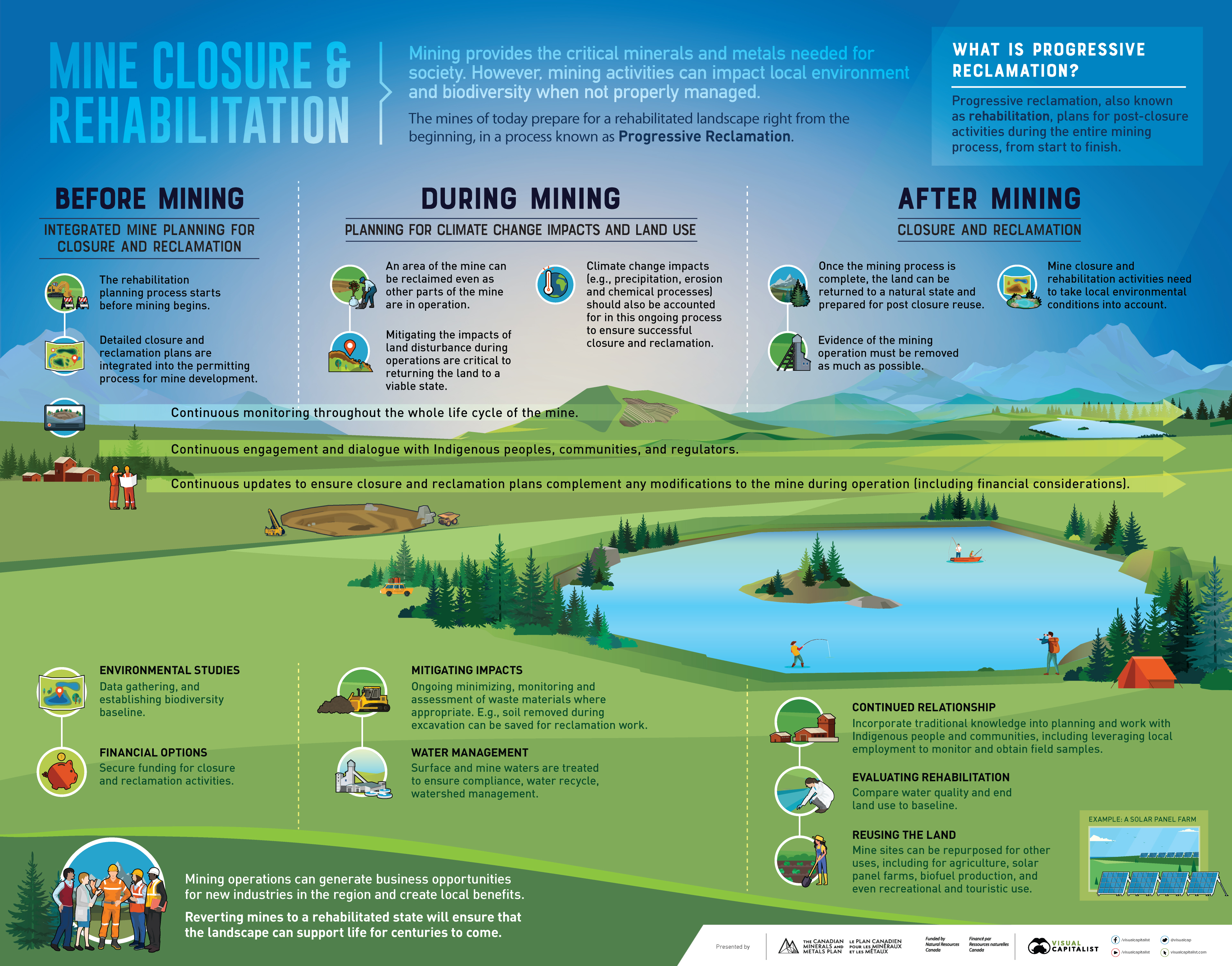
Converting coal mines into parks requires careful planning. As the purpose of the land has changed, consideration must be given as to how it was used in the past, and how it will be used in the future to create a greener space. Although creating green spaces to increase biodiversity and provide recreation spaces, conflict may occur. In order to create safe and functional parks, designers must overcome these issues, but also protect the new park from Mother Nature. We want it to be a pleasant place to play and allow nature to flourish, but we definitely do not want it to be a post-apocalyptic scene!
Regulations and Policies
With so many regulations to follow, it can be extremely confusing. To complete this task effectively, local governments and decision makers may have to work with environmental groups and interested members of the local community to create policies which promote safe use of the land. Although unexciting, this is extremely important. No-one would want to create a playground on toxic land. Therefore, implementing clear policies and guidelines will make the transformation easier, and may even get funding for the playground equipment!
Challenges in using reclaimed land
Although converting former coal mines is a great initiative to undertake, many challenges can occur. Even with the best intentions in mind, issues include soil contamination, and community concerns. Financial issues can also occur. Just like the miners of the past, a great deal of patience, creativity and determination is needed. However, considering the opportunity given to both nature and communities in these areas to flourish, I believe that it is certainly worth it.
Environmental Impact
Due to coal mining, soil and water contamination has occurred in local areas. Heavy metals, sulfates and other contaminants can often be found in local ecosystems leading to a toxic mixture. This can be extremely damaging for wildlife (and human wildlife). It is like when a friend makes a pie for a pot-luck, but no-one in the group wants to eat it. Cleaning up these areas is extremely important in ensuring that the reclaimed parks can be enjoyed safely. Without cleaning these areas, they may become dangerous.
Air Quality Issues
Air quality in areas surrounding coal mining can be extremely poor. Health issues including respiratory diseases can occur due to particulate matter and dust produced from coal mining in these areas. If these areas are to be turned into parks, careful monitoring and ways of reducing these issues must be put in place. We want clean, crisp air in these parks, rather than smoggy air. You won’t need to leave to get fresh air.
Long term Ecological Impacts
Coal mining can have a devastating effect on local ecology. It can take many years for ecosystems to recover fully. As well as the habitat losses, and biodiversity loss, the flow of water can be affected. However, if managed properly, and with patience, these areas can be restored, and provide habitats for wildlife and beautiful spaces for communities to enjoy. Its like giving Mother Nature a second chance, and she knows how to make a great party!
Tim Tanguay -