Saturday, November 21, 2026

First Aid Essentials for Campers


 Shop First Aid On Amazon  


While a hike is a great means to appreciate nature, it will also have its advantages and drawbacks. It is crucial to be ready for any medical emergencies that may arise while hiking on the trail to ensure a safe and pleasant experience. A well-equipped first aid box can be the biggest help in situations where minor injuries occur and dealing with more serious injuries before it gets out of hand. This article is going to discuss some of the essentials for a hiking First Aid Kit such as common injuries and recommendations as to how to stay safe while enjoying nature.


A First Aid Kit should contain the following:

If you're hitting the trails, your first aid kit should not be described as the "medication version of a Band-Aid"!

 Adhesive bandages of all sizes, because blisters have a way of hitting our heels at the worst times; 

antiseptic wipes to ward off any unwanted infections, 

medical tape and a welcoming pair of sneezing gloves for when you go on record for a senseless fall or misstep, 

a pair of tweezers in case you find the troublesome splinter, and 

pain relievers like ibuprofen to keep those knees from curling up on record. 

Don't forget a thermal blanket to keep warm when you get suddenly shivers evenly and 

a pair of latex gloves when if First Aid descends into a little bit of gross motor scenes.


Items that are optional for students with special needs.

Some optional first aid gear can take your first aid game to the next level. When hiking at high elevations into the mountains, pack a SAM splint for fractures and nasal cannula for persons who might require additional oxygen. Allergic to bees? Throw in an EpiPen. If tummy trouble is a problem, some antacids and anti-nausea medications can provide you with the proper cure (for your tummy of course, and for your lunch!). For the most adventurous, a CPR face shield and a compact emergency whistle are also intriguing devices just in case your “help!” voice becomes lost in the woods.

Hiking injuries commonly encountered and their treatments.


Prevention of blisters and skin irritations.

The sneaky villains of hiking are blisters—they sneak up on you when you least expect them, typically after the end of a day on an awently known shoe. The best treatment? Let them breathe! If possible, do not rupture them but if you must, put a blister padding or gauze over them to prevent further damage. If you have skin problems, some anti-itch cream and a great moisturizer can ensure your skin isn't as dry as a desert lizard.

Sprains and Strains

Oh the "did I roll my ankle"? sprain and strain, oh no, no no. When you find yourself in this situation, you have a new friend: RICE: Rest, Ice, Compression, and Elevation. If possible, sit in a comfortable log, cool down the swollen joint (whether it's a log or creek water, it's nature's freezer!), wrap it with compression (but not too tight!) and raise the leg. Wait a couple of hours if you still aren't feeling “fabulous,” and you may need to reconsider that big hill!

Cuts and Abrasions

Cuts and abrasions can occur in a flash; whether in the form of cuts or abrasions. Use water or antiseptic cleaning wipes to cleanse the wound, then place a sterile band aid on it to protect it from dirt and critters. If it looks like a horror movie, don't hesitate to get medical assistance, its better to be safe than sorry!


New Additions To Southern Indiana Trails


Added some old magazines to the website. Backpacker, mountain biking UK, Wildlife, birding and Ranger Rick. I loved RR when I was a kid so I felt it was a nice addition for the kids.

 We also have a documentary section as well. 

 - Tim Tanguay


Nature Magazine Library 

Nature Documentary Library

The first monarchs begin to arrive in overwintering region

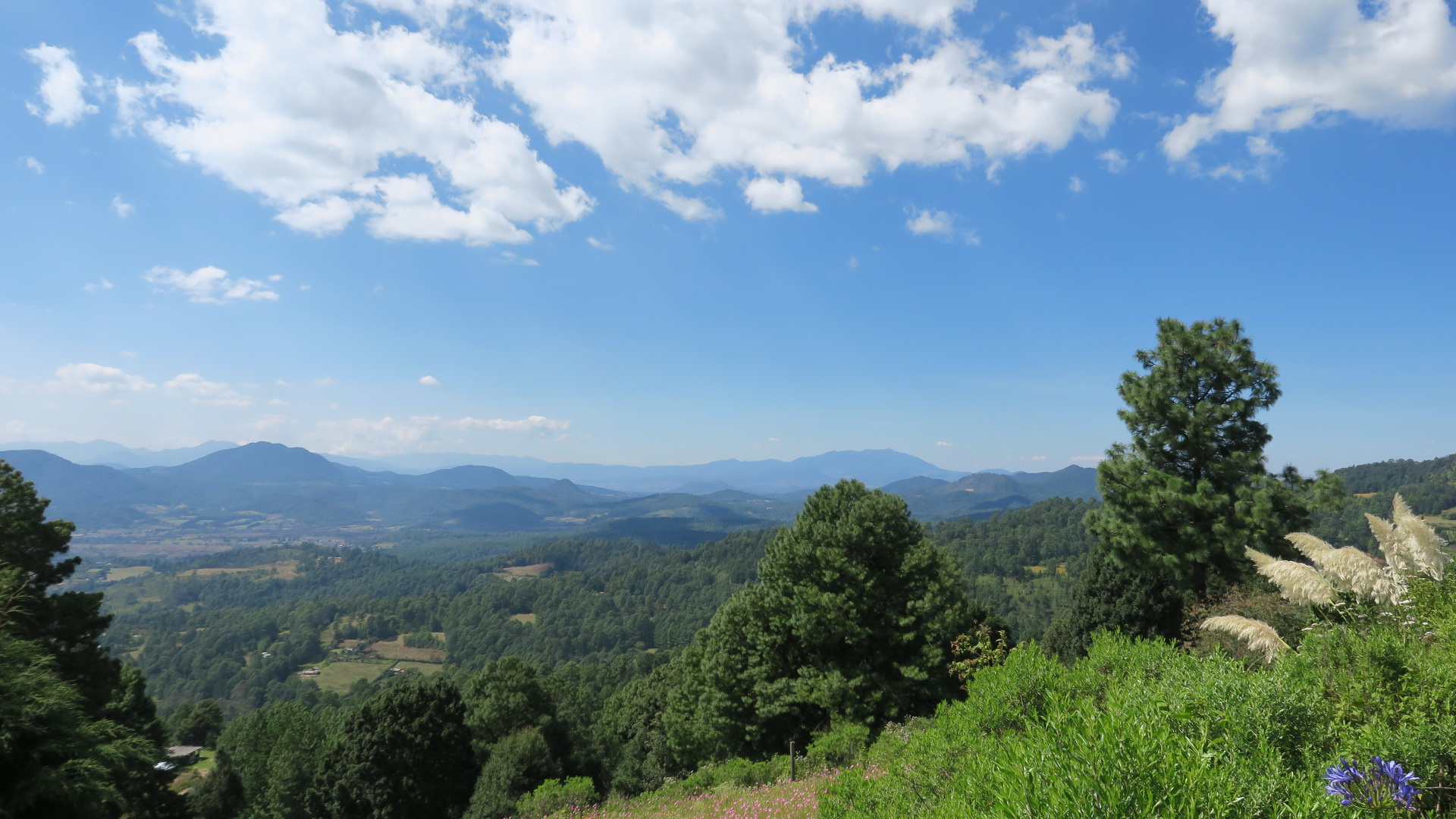
Estela Romero has reported seeing monarchs near the overwintering sites for the first time this season!

After a weekend of heavy storms, gray skies, and chilly temperatures, a gradual change during the week allowed for sunnier days, bright, clear skies, mild winds, and a majestic, rich, bright blossoming canopy all around, with the energetic sound of springs and creeks.  All of this signals ideal conditions for big news!

The extraordinarily punctual arrival of our fantastic migrant monarchs began Saturday, Oct. 31, at 1:30 p.m., despite no trace of a single monarch during the previous 72 hours while in the lookout!

“Not one single seen here in El Rosario yet," forest rangers in El Rosario told me on the phone this very morning. I was glad I could call them right from the great viewpoint! People at Sierra Chincua said they had not yet been toward the cliff viewing the valley, having not spotted one single monarch yet inside the forest!

With the camera focusing on the amazing view as it recorded moving from right to left, so was exactly the flight direction of the first monarch, which appeared, cascading down from the northern Sierra Chincua peaks- clearly heading south as if toward the El Rosario mountain range, both main overwintering sites.

One, two, three, six, a dozen monarchs might have passed within a couple of hours’ time. Fast, energetic flight, and occasional quick landings for nectar made it difficult to shoot my only photo and brief recording.

The legendary migration of this extraordinary species once again fulfills its incredible mission, bringing a sense of awe, community commitment, identity, and friendship to the three hosting nations that embrace it.

Read Full Article here: https://journeynorth.org/news/the-first-monarchs-begin-to-arrive-in-overwintering-region 


Friday, November 20, 2026

🌲 Little Explorers. Big Adventures. 🚲

Get kids outside, away from screens, and into the adventure! Discover nature, explore trails, catch bugs, ride bikes, and create memories that last a lifetime.

🔎 Kids Explorer Kit

Encourage curiosity and discovery with an explorer kit made for young adventurers discovering the outdoors.

Explore the Kit

🐞 Bug Catcher Kit

Discover insects, explore the backyard, and introduce kids to the fascinating world of bugs and nature.

Catch the Adventure

📻 Kids Walkie Talkies

Keep the adventure connected! Great for camping, backyard exploration, and family outdoor adventures.

Stay Connected

🥾 Kids Hiking Poles

Give young hikers extra support while exploring hills, trails, and nature with the family.

Hit the Trail

🚵 Kids Mountain Bike

Make every ride an adventure with a kids mountain bike designed for young riders ready to explore.

Ride Into Adventure

The Best Adventures Don't Come With a Screen.

Grab your gear. Hit the trail. Discover something new.

Explore More. Learn More. Adventure More.
As an Amazon Associate, I earn from qualifying purchases. This page contains affiliate links.

Thursday, November 19, 2026


Great Gifts for Men and Boys Who Love Fishing: Four Tackle Bags Worth a Look

Shopping for a man or boy who would rather spend the day fishing? A fishing backpack or tackle bag makes a great gift idea, giving him a dedicated place to organize gear for his next trip to the water.

From backpacks pictured with tackle assortments to compact sling bags, the five options below offer different approaches to carrying fishing essentials. Your screenshot includes choices from PLUSINNO and KastKing, along with two other tackle-backpack listings.

1. PLUSINNO Fishing Backpack with Tackle Box and Gear Kit

For someone who enjoys organizing fishing gear almost as much as using it, the PLUSINNO fishing backpack is an appealing gift option. The listing shows a camouflage-style bag alongside a tackle box and an assortment of lures, hooks, and accessories.

This is a great gift idea for a man or older boy who would appreciate a fishing bag paired with tackle rather than a bag alone. Before ordering, check the selected package carefully to confirm which accessories are included.

2. Fishing Gear Backpack with Tackle Box, Lure Kit, and Tool Set

This backpack listing combines a tackle box, lure kit, and tool set, and its title specifies two rod holders. The pictured black bag has contrasting orange details, with fishing tackle and tools displayed alongside it.

For a father, husband, brother, or older boy who likes having a place for everything, this could make a thoughtful gift. It is particularly worth considering when you want a gift that brings together storage and an assortment of fishing accessories.

3. KastKing BaitSpace 50L Fishing Backpack

The KastKing BaitSpace is the larger-capacity option in this group, with a listed 50-liter capacity, four tackle boxes, and two rod holders. The listing also mentions a removable soft-bait binder.

This is a great gift idea for a man or older teen who prefers a larger fishing setup. If you are choosing between a small grab-and-go bag and something designed around more storage, this backpack belongs on the larger-storage side of your shortlist.

4. Tactical Fishing Backpack with Four Tackle Boxes

The tactical-style fishing backpack features a tan design, four tackle boxes, rod holders, and a bottle holder in the listing title. Its product image shows the tackle boxes arranged in an open lower compartment.

For a man or boy who likes a rugged outdoor look, this is another gift worth considering. The visible box-storage arrangement makes it an interesting choice for someone who enjoys sorting tackle into separate containers.


Which Fishing Gift Should You Choose?

Start with the way he likes to pack:

  • For a bag paired with a tackle assortment, look at the PLUSINNO package or the backpack with the lure kit and tool set.

  • For a larger-capacity option, consider the KastKing BaitSpace 50L.

  • For a tactical-style design with tackle boxes, consider the tan fishing backpack.

  • For a compact sling-style option, look at the KastKing Blowbak.

When buying for a boy, check the bag’s dimensions and loaded weight rather than assuming an adult-sized pack will fit comfortably. Packages containing hooks, lures, or cutting tools also need age-appropriate adult supervision.

Give Him Something for His Next Fishing Trip

Whether you are shopping for a birthday, the holidays, or a just-because surprise, these fishing bags are great gift ideas for the men and boys who love spending time by the water. Choose the size and style that suit him, and you will have a gift built around an activity he already enjoys.

👀Browse the fishing gift options on Amazon👀


 Affiliate Disclosure: As an Amazon Associate I earn from qualifying purchases. This post contains affiliate links, which means we may earn a commission if you make a purchase through them.


Visit Our Store

Tuesday, November 17, 2026

The History and Purpose of Man-Made Lakes

 Historic Evansville - Tag: garvinpark


Man-made lakes have been around for a long time, with ancient people building them for things like irrigation and drinking water. Over time, we've built them for more reasons, such as preventing floods, generating electricity, and for people to enjoy.

As societies changed, so did the ways we build these lakes. Today, they're really important for managing water and protecting the environment, and they also make places look nicer.

How Building Lakes Affects the Environment

Building lakes can change the local environment quite a bit. It can affect the plants, animals, and the water itself. While these lakes give us useful resources, they can also mess with natural areas and force plants and animals to move.

To deal with this, we need to plan carefully and study the environmental effects before building. Using methods like creating protected areas around the lake and managing them sustainably helps us get the benefits of building while still protecting nature.

Fun Things to Do at Man-Made Lakes

People love going to man-made lakes for all sorts of activities. They're great spots for fishing, boating, kayaking, and swimming. Basically, they're places where people can enjoy water sports.

Many of these lakes also have nice parks and walking paths, perfect for hiking, having picnics, or watching wildlife. Having places for recreation gets people together and brings in money for local areas through tourism.

How We Build These Lakes

Building man-made lakes is a significant engineering accomplishment. It involves a lot of planning, digging, and managing the water. Engineers look at the land, the ground, and the water flow to figure out the best place and design.

They build dams, create walls, and control how water comes in and goes out to keep the lake level and the water clean. These engineering projects are not only useful but also add to the beauty of the area.

Examples of Famous Man-Made Lakes


Some famous man-made lakes stand out as examples of human ingenuity and care for the environment. Lake Mead in the US, created by the Hoover Dam, is one of the biggest reservoirs and supplies water and power to millions.

Other well-known examples include Lake Baikal in Russia, which is mostly natural but has been affected by human actions, and artificial lakes built in cities like Sydney and Dubai, showing how cities can work with water management.

- Tim Tanguay 

Sunday, November 15, 2026

Embarking on a journey from Industry to Green Space

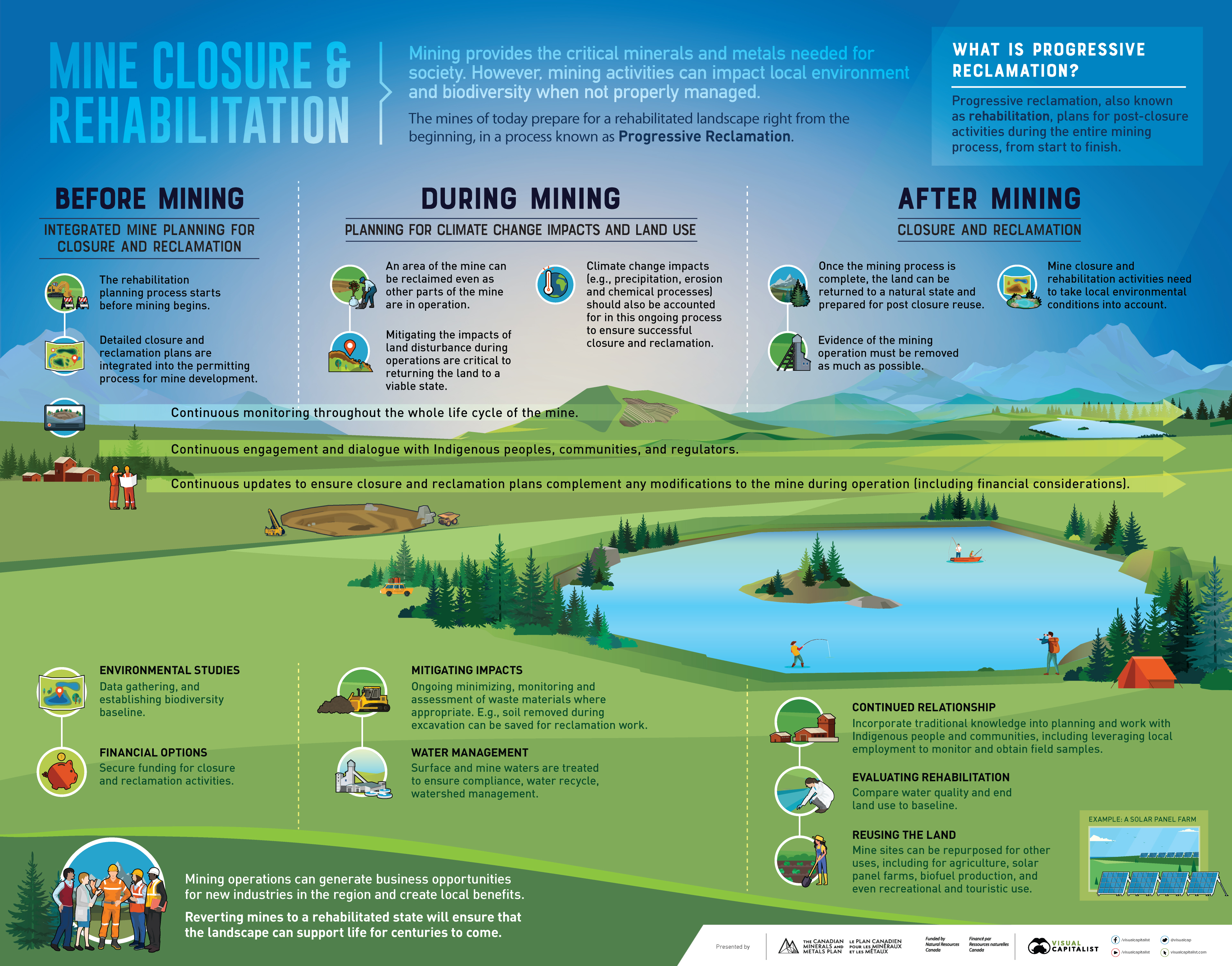
 Mine Closure and Rehabilitation

Transforming coal mining sites into parks highlights changes in land use within these areas. As coal mining becomes less common in many areas, there is a unique opportunity to turn areas of industrial decay into thriving green spaces. 

These green spaces can help improve biodiversity, provide recreational spaces, and support sustainable development. In this article, the history of coal mining, the negative effects it has had on the environment, and innovative solutions used worldwide to transform mining sites into parks are explored. Through key examples, and opinions from local communities, we can see the various benefits that can arise from transforming these areas for future generations.

History of Coal Mining


As more energy was required for the Industrial Revolution, coal mining in this area began in the 18th Century. Initially people moved into the area for employment and development opportunities. Shortly after, people moved in for economic opportunity. This was therefore very similar to a gold rush. Many coal mines rapidly developed within this area, and people became heavily reliant on them. The black substance became very valuable to towns; in addition to economically benefiting them, it played a large role in defining the character of the towns.

Economic importance and effects on workforce

The coal industry played a large part in the economy of this area. Families and communities were able to earn a living through coal mining. Miners worked in dark and dangerous conditions, and although they earned a relatively small wage, they did provide a sense of security. As well as providing employment, coal mining became a way of life for many people in this area. However, despite the coal towns being successful during the height of coal mining, things began to change. It was certainly more exciting than a B-grade plot line!

Decline in Coal Mining

A few decades later, the coal industry suffered greatly. Coal was no longer so prominent in this area due to alternative energy sources becoming available, and strict regulations. The mines closed, workers were made redundant, and once thriving towns were in decline. This was certainly a long and dramatic split. Much like in a relationship, one party was being taken advantage of by the other, until one day they had had enough. However, it was not the environment’s fault. And so there was an awakening, and now the question is, why not re-evaluate our love for coal?

From Industry to Green Space

Converting coal mines into parks requires careful planning. As the purpose of the land has changed, consideration must be given as to how it was used in the past, and how it will be used in the future to create a greener space. Although creating green spaces to increase biodiversity and provide recreation spaces, conflict may occur. In order to create safe and functional parks, designers must overcome these issues, but also protect the new park from Mother Nature. We want it to be a pleasant place to play and allow nature to flourish, but we definitely do not want it to be a post-apocalyptic scene!

Regulations and Policies

With so many regulations to follow, it can be extremely confusing. To complete this task effectively, local governments and decision makers may have to work with environmental groups and interested members of the local community to create policies which promote safe use of the land. Although unexciting, this is extremely important. No-one would want to create a playground on toxic land. Therefore, implementing clear policies and guidelines will make the transformation easier, and may even get funding for the playground equipment!


Challenges in using reclaimed land

Although converting former coal mines is a great initiative to undertake, many challenges can occur. Even with the best intentions in mind, issues include soil contamination, and community concerns. Financial issues can also occur. Just like the miners of the past, a great deal of patience, creativity and determination is needed. However, considering the opportunity given to both nature and communities in these areas to flourish, I believe that it is certainly worth it.

Environmental Impact


Due to coal mining, soil and water contamination has occurred in local areas. Heavy metals, sulfates and other contaminants can often be found in local ecosystems leading to a toxic mixture. This can be extremely damaging for wildlife (and human wildlife). It is like when a friend makes a pie for a pot-luck, but no-one in the group wants to eat it. Cleaning up these areas is extremely important in ensuring that the reclaimed parks can be enjoyed safely. Without cleaning these areas, they may become dangerous.

Air Quality Issues

Air quality in areas surrounding coal mining can be extremely poor. Health issues including respiratory diseases can occur due to particulate matter and dust produced from coal mining in these areas. If these areas are to be turned into parks, careful monitoring and ways of reducing these issues must be put in place. We want clean, crisp air in these parks, rather than smoggy air. You won’t need to leave to get fresh air.

Long term Ecological Impacts

Coal mining can have a devastating effect on local ecology. It can take many years for ecosystems to recover fully. As well as the habitat losses, and biodiversity loss, the flow of water can be affected. However, if managed properly, and with patience, these areas can be restored, and provide habitats for wildlife and beautiful spaces for communities to enjoy. Its like giving Mother Nature a second chance, and she knows how to make a great party!


Tim Tanguay - 

Southern Indiana Trails

Friday, November 13, 2026

The Rise and Fall of the Wabash & Erie Canal

The Rise and Fall of the Wabash & Erie Canal

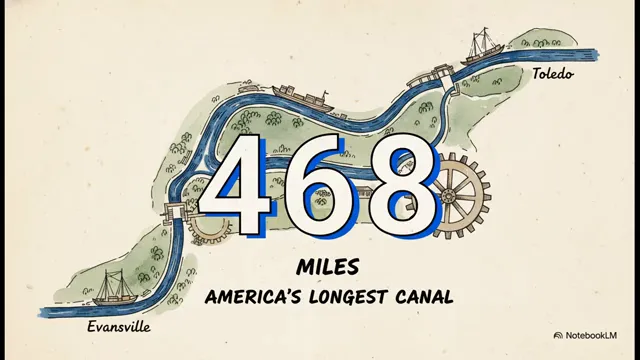
Try to picture digging a waterway 468 miles long with picks, shovels, wheelbarrows, and mule carts. Now imagine betting a frontier state’s financial future on it.

That was the extraordinary ambition behind the Wabash and Erie Canal, the longest canal system in the United States. Stretching from Toledo, Ohio, on the Great Lakes to Evansville, Indiana, on the Ohio River, it promised to become the transportation superhighway of its day.

Instead, it became a story of punishing labor, financial crisis, mosquitoes, broken infrastructure, and even armed rebellion. Then the railroads arrived and made an already troubled enterprise look hopelessly outdated.

But here is the fascinating part: a project that failed so spectacularly as a business still helped shape the Midwest.

Key Takeaways

  • The 468-mile Wabash and Erie Canal connected Toledo to Evansville as America’s longest canal system.
  • Manual construction, constant maintenance failures, and armed resistance undermined the canal’s ambitious promise.
  • Faster, more reliable railroads made the slow, seasonally vulnerable canal increasingly uncompetitive.
  • Despite financial failure, the canal encouraged immigration, settlement, and lasting regional development.

Table of Contents

A 468-Mile Dream of Frontier Prosperity

In the late 1820s and 1830s, the canal represented much more than a convenient way to move boats. It was a promise that the frontier could become a connected, prosperous region.

Link the Great Lakes to the Ohio River, and communities along the route would gain access to a major transportation corridor. Trade would follow. Land would become more valuable. New towns would flourish. At least, that was the dream.

Illustrated waterway labeled Toledo and Evansville with the text 468 miles and America's longest canal

Congress donated hundreds of thousands of acres of land to help finance construction. Politicians delivered grand speeches. Land speculators laid out towns along the proposed route before workers had turned over the first shovelful of dirt.

It was frontier optimism at full volume. The problem was that optimism did not clear forests, move earth, or keep a canal full of water.

The archival work of local historian Dorothy Clark, drawing on old newspapers and records, brings that gap into sharp focus. Beneath the political promises lay a much grittier story about what it actually took to build and operate this enormous ditch.

Building the Canal by Hand

The real work fell to thousands of laborers, primarily Irish immigrants, alongside German and Yankee workers. Their tools were simple. Their task was anything but.

Construction was divided into one-mile sections. Men loosened the ground with picks, dug it out with shovels, and carried the spoil away in wheelbarrows or mule carts. For all its claims to modernity, this great engineering project depended on exhausting manual labor.

The standard wage was about $1 a day. Workers lived in rough shanties and subsisted largely on bread, potatoes, and black coffee. That was the everyday reality behind the elegant lines drawn on a canal map.

Whiskey Was Part of the Employment Agreement

One of the stranger details of canal construction is how formally whiskey figured into the working day.

Contractors supplied workers with small rations known as jiggers, each amounting to roughly two swallows. Agreements commonly called for five to ten of these rations per day. The number mattered enough to be negotiated alongside cash wages.

There was even a designated boy responsible for delivering the whiskey at the specified times throughout the day.

It sounds almost absurd now, but it reveals something important about the labor economy of the project. Recruiting men was one challenge. Keeping them at such brutal work was another. The promised rations were not a colorful extra. They were part of the bargain.

Canal Travel Was No Luxury Cruise

By the early 1850s, the labor had produced a functioning waterway. The promise of a smooth journey through the Midwest, however, did not necessarily survive contact with life aboard a canal boat.

An English traveler writing from Terre Haute in 1850 left a particularly miserable account. His complaints included poor tea, bad cornbread, and undercooked beefsteak. Then there were the mosquitoes.

They swarmed the sleeping berths. The family fought them, only to find that killing some seemed to make room for still more. The result was a sleepless night rather than the restful passage a passenger might have imagined.

That little episode captures the distance between the canal’s promise and its daily reality. Getting onto the water did not mean escaping the discomforts of the frontier.

For the people responsible for keeping the canal operating, though, bad meals and insect bites were minor problems compared with what came next.

The Relentless Work of Keeping Water in the Ditch

Building the canal was only the beginning. Keeping it navigable became a constant struggle against vegetation, floods, careless operation, and deliberate damage.

The failures were almost a chain reaction:

  • Grass choked the channel. Growth became so thick that special marine mowers fitted with scythes were needed to cut it back.
  • Cut vegetation jammed the paddle gates. Clearing one obstruction could create another, preventing gates from sealing and allowing water to escape.
  • Floods washed out aqueducts. Structures needed to carry the canal across waterways were vulnerable to destructive high water.
  • Boatmen left lock gates open. Careless passage through a lock could drain miles of canal and interrupt navigation.
  • Submerged timber damaged boats. Logs and other obstructions could pierce hulls and sink vessels. Some timber was deliberately rolled into the channel.

The canal depended on water being held at usable levels throughout a long, interconnected system. A damaged structure or an open gate could therefore become a problem far beyond the immediate site.

And nature was not the only force working against it. In Clay County, opposition to a canal reservoir escalated into outright violence.

The Birch Creek Rebellion: An Infrastructure Dispute Turns Armed

Local opponents regarded standing timber in the Birch Creek Canal Reservoir as a health hazard. When efforts through the courts failed to stop construction, some residents decided to act for themselves.

What followed became known as the Birch Creek Rebellion. This was not merely an angry public meeting or a petition delivered to the statehouse. Canal property was attacked, workers were driven off, and the governor eventually sent armed forces.

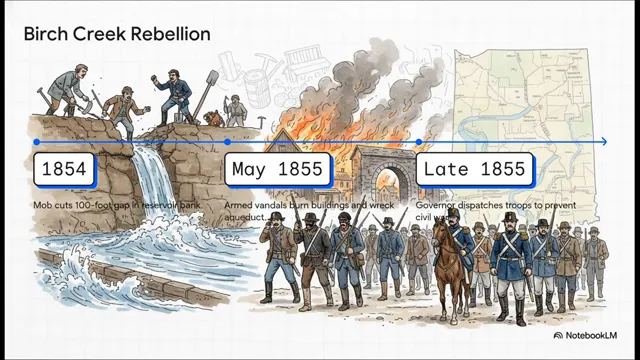
Birch Creek Rebellion timeline labeled 1854, May 1855, and Late 1855 with illustrations of damage, fire, and armed men

The conflict escalated in three major stages:

  1. 1854: A mob cut a gap roughly 100 feet wide through the reservoir bank, leaving about ten miles of canal dry.
  2. May 1855: About 100 armed men with blackened faces appeared in daylight, drove away workmen, burned buildings, and wrecked the aqueduct.
  3. Late 1855: The governor dispatched a general, state troops, and 50 armed volunteers from Evansville to protect the works and contain the conflict.

Think about that for a moment. A project intended to connect communities and encourage commerce had become something the state needed troops to defend.

The rebellion added another expensive, disruptive problem to a system already struggling with maintenance and unreliable navigation.

Why the Railroads Won

Flood damage could, at least in principle, be repaired. Grass could be cut. Gates could be closed. The arrival of a more useful transportation technology was a much harder problem to solve.

The canal’s decisive competitor was the railroad.

The comparison was painfully unequal:

  • Canal transportation was slow and seasonal. Winter ice could stop navigation altogether.
  • Too little water was a problem. Summer droughts could leave boats grounded.
  • Too much water was also a problem. Spring floods could damage the very structures needed to keep traffic moving.
  • Railroads offered faster service and more dependable schedules. They could operate year-round without depending on canal water levels.

For shippers, speed and reliability were powerful reasons to switch. The canal was struggling to keep its existing service running just as the railroads were offering an increasingly attractive alternative.

That is what made the technological shift so damaging. The Wabash and Erie Canal did not simply need another round of repairs. It needed to compete with a transportation system that avoided many of its fundamental limitations.

Financial Crisis and the Slow Collapse

The canal dream became entangled with a devastating state financial crisis, with Indiana facing an enormous debt of about $18 million. For a young frontier state, that burden was staggering.

The experience also produced a lasting backlash against public borrowing, leading Indiana to place strict limits on state debt. The ambition to build prosperity through infrastructure had left a deep political scar.

The canal itself did not disappear in one dramatic moment. It declined section by section:

  • 1858: Court injunctions forced the closure of the southern portion.
  • 1859: The canal was leased to private groups in an effort to keep the troubled enterprise going.
  • 1860: Tornadoes and further destructive unrest compounded the damage.
  • 1861: Navigation ceased below Terre Haute.
  • 1876: The bankrupt canal property was publicly auctioned.

After all the speeches, land speculation, digging, and repair work, the great transportation corridor had become a deteriorating asset to be sold off.

What Happened to the Abandoned Canal?

An unused canal does not simply vanish. It remains in the landscape, collecting water and creating problems for the communities around it.

Towns drained their sections. In Evansville, stagnant canal water became such a nuisance that officials ordered the channel filled in.

In Terre Haute, the old canal bed found a distinctly less glamorous purpose: it was used for the city’s first sewer system before being covered.

Elsewhere, portions of the route became railroad rights-of-way. There is a sharp historical irony in that. The transportation technology that helped put the canal out of business could make use of the corridor it left behind.

The waterway disappeared beneath other infrastructure, but its path continued to influence the places it crossed.

A Failed Canal, but Not a Meaningless One

It would be easy to end with the auction and call the Wabash and Erie Canal a complete disaster. Financially and operationally, there is plenty to support that judgment.

But the people who came to build it did not all leave when the dream collapsed. Many laborers stayed, purchased land, and became part of the region’s communities. Towns laid out along the canal grew. Immigration and economic activity stimulated by the project outlasted the boats.

That is the distinction worth holding onto: a failed transportation enterprise can still leave a lasting regional legacy. It does not erase the debt, the hardship, or the waste. It makes the story more complicated, and much more interesting.

For further exploration, the Canal Society of Indiana offers resources on the state’s canal history, while Wabash & Erie Canal Park provides another starting point for discovering this waterway’s heritage.

The canal’s ultimate legacy is a question as much as an answer. How much of the region’s later growth depended on the people and settlements this troubled project brought together? And which controversial infrastructure projects of our own era might leave benefits that outlast their original purpose?

Made with VideoToBlog using Rise and Fall of the Wabash & Erie Canal

Quick Guide: Where to Walk and Hike Near Evansville, In

Looking for the best hiking trails near Evansville, Indiana? You don’t have to travel far to find wooded paths, scenic riverfront walks, wetland boardwalks, and paved trails perfect for a weekend outing. From the downtown Pigeon Creek Greenway to nearby parks in Newburgh and Henderson, the Evansville area offers plenty of ways to spend time outdoors.

Whether you’re planning a family walk, searching for wildlife, or hoping to tackle a few wooded hills, this guide will help you choose your next adventure. You’ll also find clickable links to park information, trail maps, and local resources to make planning easier.

Quick Guide: Where to Walk and Hike Near Evansville

Wednesday, November 11, 2026

Indiana Weather is Insane - Overview of Indiana's Climate Patterns


Unpredictable weather is very common within Indiana. Extreme variations in weather mean residents may be left confused and fascinated by the unpredictable conditions. Influenced by geographical factors, seasons and historical weather within the state, weather in Indiana is quite diverse. In this article, we will explore the peculiarities of Indiana’s weather, and how geographical factors have affected it. We will also look at any myths related to this unpredictable weather. Understanding how the weather in Indiana works, means people in the state can be well prepared for these changes. Overall, Indiana weather can be beautiful but challenging.

Average Temperatures

Throughout the year, temperatures across Indiana can be quite varied. During winter months, temperatures can be very cold and below freezing. Conversely, temperatures during summer months can reach very high temperatures, reaching 90 degrees. During spring and autumn, temperatures can range greatly. It can be pleasant and warm or very cold, with snowfall sometimes occurring. This means that you may need to wear shorts and a winter coat at the same time!

Humidity

During summer months in Indiana, humidity can be very high. When temperatures reach 90 degrees, the humidity can make it feel significantly hotter, as though you are in a sauna with a Jalapeno. This can lead to you questioning life choices. However, the humidity can be extremely good for moisturizing skin! In contrast, during winter months, humidity in Indiana can be quite low meaning skin can be very dry, as though you are in the Sahara Desert. It seems that Indiana cannot make up its mind!

Changes in Season

Winter to Spring

As we move from winter to spring in Indiana, we can expect erratic weather. You may be digging out of snow, and then suddenly be caught in some rain. During spring, you may get a mixture of sunny weather, rainfall, and unexpected snowfalls. This can ruin weekend plans.

Summer

During summer in Indiana, the weather can be extremely hot and humid. Temperatures can get very high, and combined with the humidity, it can feel as though you are swimming in soup. Summer is fantastic for a barbecue outdoors. However, just be prepared to cook your food in the sun, or simply enjoy a refreshing drink in the shade.

Autumn

During Autumn in Indiana, we can see dramatic changes in weather. Whilst we may see bright colors in trees, there may be cold days and it may be cosy to wear a jumper. Weather in Indiana can be very erratic, meaning we can get sunny periods and sudden rainfall. Be prepared to wear layers due to fluctuating temperatures in the day. However, be prepared for unpredictable winds whilst enjoying these beautiful autumn leaves.

Extreme Weather in Indiana

Tornadoes and Severe Storms

Unfortunately, in Indiana, we occasionally experience severe weather and tornadoes. This can occur in spring, and people in Indiana know to be wary of the sky and weather apps. As the clouds look threatening, the dramatic music can begin to play!

Snow and Weather Warnings

During winter, unusual weather can occur in Indiana. We can experience heavy snowfall leading to ‘snow day’. Whilst children are very happy, adults are very unhappy with the shoveling required. Due to unpredictable weather in Indiana during winter, we are constantly on our toes. We may get light snowfall, or we may get a heavy snow storm. Unfortunately, only Mother Nature knows which!

Flooding

During rainfall periods in Indiana, we can experience flooding. This can be very problematic in low lying areas. Streets can become rivers and we must completely change weekend plans. People can be sent into a panic and scramble to find inflatable boats, or may decide to binge watch a series.

Geographical Influences

Great Lakes

The presence of the Great Lakes in Indiana means that the weather can be influenced. These large lakes mean that temperature and rainfall patterns in Indiana can be affected. In winter, snowfall can be increased due to ‘lake effect’ snows in Indiana. This can be very beautiful to see, however very difficult to drive in!

Topography

Although Indiana has very flat terrain, many different types of weather can occur. As there are not any large mountains in the area, storms can come through without much resistance meaning varied and unpredictable weather conditions. Just when you thought you had got into a rhythm with the weather in Indiana, nature will throw you a curve ball!

Weather History

Interesting Weather Events

Throughout history in Indiana, some very unusual weather events have occurred. During 1978, the ‘Great Blizzard’ occurred in parts of Indiana. Snowfall was so heavy that it was taller than most kindergarten children! In 2008, a Tornado outbreak meant parts of southern Indiana resembled a disaster movie. Finally, in 2003, parts of Indianapolis were severely flooded, meaning people were actually paddling to work! These events have been very influential in shaping weather in Indiana and also in people’s minds. In fact, we are known for carrying an umbrella and sun cream at the same time!

Long Term Weather Trends

Changing Climates

Over recent decades, average temperatures in Indiana have been increasing. As a result, summer temperatures have been getting hotter, and winter temperatures have been milder. Previously, we enjoyed snowy winters. However, snow is becoming less common, with slushy rain, and occasionally light snowfall. Although yearly rainfall can be unpredictable, we can expect more extreme weather during rainfall. Whether you enjoy hiking during summer, or snow shoveling during winter, be prepared for some wild weather changes in Indiana!

Preparations for Unpredictable Weather in Indiana

Preparation Tips

Whilst we can’t control the extreme weather in Indiana, we can certainly prepare! Firstly, consider having an emergency pack. Within this, include water, non-perishable foods, torches, and a sense of humour. If the power goes, a bit of giggles can really help! Secondly, consider creating a communications plan with your family. If the tornado alarms go off, you want to know where everyone is, and that they are not stuck in a drive through! Finally, make sure to keep up to date with local weather. Knowing that a storm is coming before leaving in the morning is much better than finding out the hard way!

Weather Prediction Technology

As we live in very technologically advanced times, we have many ways of predicting the unpredictable weather in Indiana. Using apps on our phones, highly advanced radar technology, or even weather radio can help us to avoid getting caught in a downpour. Apps such as ‘The Weather Channel’, or ‘Accuweather’ allow us to be aware of any storm warnings. Social media has also become a great tool to get real time weather updates from local meteorologists. So make sure your phones are fully charged, and get ready to embrace technology, to beat the madness in Indiana!

Myths and Folklore

Popular Weather Sayings

It is very common in Indiana to hear popular sayings relating to the weather. These originate from observations that people have made, and stories that have been passed down. For example, the saying “If it thunders in January, it will rain in June” has been around for far longer than most people have been alive. Although many people view these sayings as old wives tales, they add a nice touch of magic to the unpredictable weather in Indiana.

Predicting Weather using Folklore

Using folklore to predict weather in Indiana is a great combination. People in Indiana have used these stories for many years to make sense of the chaotic weather. Whether it be passed down from grandparents, or heard in diners, these stories give great insight into the weather, and can be very amusing. Based on natural signs such as animal behavior, and seasonal changes, these stories remind us that although we cannot control the weather in Indiana, we can certainly learn to live with it with the help of quirky folklore!

Predictions for Future Weather in Indiana

Effects of Climate Change on Weather in Indiana

Due to climate changes happening globally, weather in Indiana will be affected. We can expect increasing temperatures in Indiana. As a result, crops may begin to grow earlier in the year and have longer growth periods. However, we may also expect increased rainfall meaning floods. Overall, Mother Nature is experimenting with new recipes within the weather in Indiana. Some taste wonderful but others are very sour! Be prepared for quicker changes in Indiana, as we can expect weather changes quicker than we can say ‘weather advisory!’.

Long Term Predictions

Long term prediction models allow meteorologists to get a glimpse into the future weather within Indiana. Models are built using historical data, current conditions, and computer magic! However, they are not always entirely accurate, and can be as accurate as guessing what your friend wants to order at a restaurant. However, they can give us insight into what is likely to occur in Indiana in the future. We can expect more extreme weather to occur in Indiana. This may mean more storms in the summer, and unfortunately droughts. So get ready Hoosiers, the rollercoaster is just beginning!

Conclusion

Indiana can be known for having very extreme and unpredictable weather. Understanding the causes of this unpredictable weather can help people prepare for what Mother Nature has in store. Whether it be enjoying a warm summer day, or preparing for sudden snowfall, the ever changing weather in Indiana is very important in defining the state. It is a great reminder of the power and unpredictability in nature.

FAQs

Why is the weather in Indiana unpredictable?

The unpredictable weather in Indiana is mainly due to the geographical position of the state. Influences from the Great Lakes, the variation in topography, and colliding air masses can cause frequent and quick changes in weather conditions.

How can I prepare for extreme weather in Indiana?

To prepare for extreme weather in Indiana, check local weather forecasts, have emergency packs, plan with your family to communicate during extreme weather and make sure your home is suitable for extreme weather conditions such as storms and snow.

What are common misconceptions regarding weather in Indiana?

It is commonly assumed that Indiana only experiences one type of weather. However, we can see huge changes in weather between seasons. Temperature fluctuations can be extreme and levels of precipitation can vary greatly.

How will climate change affect weather in Indiana?

Climate change is expected to increase the variation in weather in Indiana. More extreme heating events, heavy rainfall and altered seasonal patterns may occur. Having knowledge of these changes in weather is key to long term planning.

-Tim Tanguay

Southern Indiana Trails

Tuesday, November 10, 2026

The Importance of Outdoor Play for Children


There are many benefits to getting children to play outside. It improves physical health and encourages creativity and social skills. In addition, children develop a greater appreciation for nature. There are many fun games and activities to encourage children of all ages to get outside. Overall, getting children to get outside and play can encourage a love for nature within them, encourage them to be adventurous and creates lasting memories which support their development.

Physical Health

Playing outside can greatly improve children’s physical health. Playing games or running around increases physical activity, therefore increasing strength, dexterity and flexibility. Playing outside in the sun means children get exposure to vitamin D, which supports a good immune system.

Improving Cognitive Ability

Playing outside in nature can improve cognitive ability. Exploring nature encourages children to observe, research and problem solve. Whether it be creating structures or recognizing different plants, playing outside can improve critical thinking and creativity. Nature can be seen as a big classroom, and children don’t need a white board to learn!

Improving Social Skills

Playing outside can improve social skills. Playing games or team sports with others allows children to communicate, co-operate and share. Children can negotiate roles, solve conflict and celebrate success as a team. Getting into competitive games can be a great way to develop friendships and teamwork. However, be careful, as tag can sometimes result in people nudging each other!

Fun Outdoor Activities

Scavenger Hunt

Scavenger hunts can be very exciting. Create a list of things that children can find outside, in the garden or local park. These could be pine cones, feathers or a leaf shaped like a dinosaur. Not only does it encourage physical activity, but it allows children to learn about nature. To make it more exciting, try making it a race! Everyone will love the friendly competition.

Art/Crafts

You can create some awesome art with natural resources. Provide children with leaves, sticks and stones and allow them to create collages, models or even nature inspired artwork. This is a great way to get creativity flowing in nature. Be prepared though, as it can get very messy!

Local Park/Trail

Go exploring in local parks/trails. Discover new environments, spot wildlife and get to see changes in the seasons. Create a mini adventure, with a picnic, a nature journal to doodle in and maybe some games to play. Get outside and explore!

Safety Considerations

Weather Considerations

Before going outside, consider the weather. Dress children accordingly and provide sun cream/sun hats/raincoats. Knowing what weather to expect can ensure that you have a great day outside, rather than a soggy one!

First Aid Kits

It is very easy for accidents to occur when playing outside with children. Provide a first aid kit with plasters, antiseptic wipes and mosquito repellant. Teach children some basic first aid information so that if an accident occurs, they know what to do.

Appropriate Equipment

Ensure children are wearing the right equipment. Please do not let children wear flip flops on hiking trails. Make sure they are wearing the right clothing for the season. Also, make sure you take plenty of drinks with you in hydration packs or bottles so that children stay hydrated throughout their adventure.

Getting Children to Play with Nature

Gardening

Gardening is a great way to get children to interact with nature, and understand how plants grow. Whether they are planting flowers, vegetables or herbs, children can enjoy seeing the results of their hard work! It is also a great way to get children outside. Get your hands muddy!

Observing and Learning about Wildlife

Turn your garden/local park into a mini wildlife habitat. Give children binoculars and guides to observe different wildlife including birds, insects etc. Set up a bird feeder or butterfly garden and encourage children to quietly observe. This is a very engaging way to teach children about their ecosystem, and they can appreciate the beauty of wildlife. Perhaps they could be the next famous nature explorers!

Build Natural Structures

Allow children to get creative in building with natural structures! Find fallen trees/branches and rocks and allow children to build structures. This could be a den, an obstacle course or balancing beam. This helps children to be creative and gives them a sense of achievement in creating their own play space. Be supervising though, as some of the more ambitious ideas may require some adult support.

Outdoor Games and Team Sports

Variation of Games

Try adding a twist to some classic outdoor games. In tag, get them to do a challenge such as hopping or doing a chicken dance every time they get tagged. Or create a silly relay race. Every part of the race could involve doing a silly movement. The sillier, the better! Children will love laughing during these games.

Mini Competitions

Everyone loves a bit of competition! Get some mini competitions going. Whether it is football, frisbee or even egg and spoon races (yes, you can make anything into a race!), create a bracket and give children ribbon prizes (or even a gold star sticker to keep it class). Let them feel proud of themselves. The buzz of winning a game (and getting a cherry coke/ice pop at the end) will encourage them to come back for more!

Activities for All Ages

Not all children will be competing for gold! Including activities that children of all ages can take part in will create equality. Try a scavenger hunt, where older children can help younger children, or try some fun obstacle courses. The aim is to encourage teamwork and fun, meaning no child feels left out. It’s always best to have more players! (And more noise!)

Including Technology

Apps

Let children explore nature using apps. There are many great apps that can help children identify different plants, birds and insects. Within just a few clicks, they can become experts in identifying creatures in their garden! Give children their devices (with a little guidance from you!) and get them to go on a knowledge hunt!

Including Drones/Cameras

Create an amazing outdoor adventure with drones/cameras. Using drones will add excitement to the activity and children can take amazing aerial pictures of their outdoor space. Encourage them to create a nature photo album. One minute they will be flying above the ground, the next they will be in an Ansel Adams mode!

Balancing Screen Time

Although we can incorporate technology into outdoor activities, we must make sure that children aren’t spending too much time on screens. Try creating dedicated ‘nature time’. For every hour they spend outside, give them a short amount of screen time. They will be very motivated to get outside in order to get some screen time!

Creating an Outdoor Space for Children in the Garden

Creating Play Spaces

Create exciting play areas in your garden! You could create a mini sports pitch, a sand pit or a reading corner. Decorate it brightly to encourage imaginative play. Creating a lively outdoor space in your garden means that children can enjoy lots of adventures without leaving the house!

Natural Features

The best place to play is in nature! If possible include some natural features in your garden. Maybe plant a few trees for climbing, have a wild flower patch or create a little garden for children to dig around in. Having natural features in your garden will look beautiful, whilst allowing your children to learn about the environment in a fun way.

Safe and Fun Play Spaces

Create safe play spaces for children. Use soft materials (rubber mulch!) and make sure all equipment is child proof. If building equipment such as swings or climbers, make sure it is secure and suitable for the age group. Making children happy means making them safe, giving you as parents peace of mind!

Encouraging a Love for the Environment

Nature Walks with Educational Content

Take a walk in nature with some educational content. Whilst walking, explore the different plants and animals in the area. Give children some interesting facts (for example, how many types of trees there are in your area) or allow them to research in their own way by drawing or note taking. Emphasising education in nature will encourage children to appreciate the environment.

Cleaning up Communities

Get children to clean up local areas. Why not put on a clean up day in a local park/beach. This will teach children to care for nature, but also develops a sense of responsibility. Children will feel like outdoor heroes with their bin bags, what a great idea!

Encouraging Sustainability

It is never too early to teach children about sustainability! Get them to do activities such as growing vegetables, composting and simple recycling projects. Let them see how their actions can benefit the environment. Soon, they will be passionate Eco Warriors and will be keen to save the planet, one recycled bottle at a time!

Conclusion

Getting children to play outside can greatly benefit their physical and mental health. Including creative activities, ensuring safety and creating inviting spaces allows children to develop a love for the environment. We can encourage children to explore, creating healthy lifestyles and lasting memories. Inspire the next generation to appreciate the beauty and excitement within the outdoors.

FAQ

What outdoor activities can children do depending on their age?

Depending on the age of children, different games can be played. Younger children may enjoy scavenger hunts and games such as tag. Older children may enjoy team sports or hikes. Consider the interests and abilities of children.

How can I keep children safe playing outside?

Always supervise children. Check that the area is safe for children to play in. Provide appropriate equipment for them, for example a helmet when cycling or sun cream. Give children knowledge on knowing their limits and understanding the environment.

How can technology be used to enhance outdoor play?

Technology can be incorporated into outdoor play with educational applications to encourage exploration, cameras to take photos and GPS devices to play geocaching. Balancing technology with outdoor activity can provide engaging experiences for children.

What should I include in a child friendly outdoor space?

Include safe structures for play, large areas for running and playing games, natural features for exploration and shaded areas. Have a variety of activities to keep children engaged and active.

-Tim Tanguay Southern Indiana Trails

Monday, November 9, 2026

The Connection Between Youth and Nature


Connecting Children with Nature

Young people have a unique relationship with nature. Exploring and appreciating the natural world can help improve cognitive skills and emotional development in children. This article explores how spending time in nature can improve creativity, learning and environmental awareness in children. Understanding how important the natural world can be in developing children means that we can create a greater appreciation for the environment. This can allow us to raise new generations of people who will appreciate the beauty of nature, and seek to protect it.

Children and Nature throughout History

Throughout history, children have had strong ties with nature. Greek philosophers encouraged learning outside, and in the Victorian era, children were encouraged to run wild in garden spaces. Children would explore forests, climb trees, and create incredible imaginative worlds. Since then, many children have developed an appreciation for nature. However, with modern life becoming much more urbanized, this appreciation may be less common now.

Developing a child’s identity with nature

A sense of belonging, responsibility, and values can develop in children with nature. Interacting with nature can greatly influence how children see themselves in relation to the world. Whether it is gathering pine cones or admiring the beautiful sunset, interacting with nature in this way can allow children to understand their place in the world.

Improving Cognitive Skills

Nature can greatly improve cognitive skills within young people. Research has shown that exposure to natural environments can improve attention span, memory and problem solving skills. Free interaction with nature, such as exploring the outdoors can result in improved focus and creativity. With the various stimuli provided in nature, and fresh air, children can improve their cognitive skills. Who knew going to the playground was so helpful for your brain?!

Improving emotional intelligence

Emotional intelligence is seen as extremely valuable in becoming successful in life, and can be improved greatly by interacting with nature. Whether it be caring for plants, or observing certain animals, children can increase empathy and connection with others. Children can become better at recognizing feelings in themselves and those around them, improving their understanding of wider social situations. Who knew that getting muddy could create generous hearts?


Creative Play in Nature

Children can be very imaginative in nature. A twisted tree stump can be turned into a castle or pirate ship! In nature, children can get very creative with the objects that they find. Sticks, leaves and rocks can all be turned into creative tools. As children play in the outdoors, their creativity is improved through imaginative stories, games and free thinking. This means that they can be very innovative in their playing.

Case studies

Many case studies have been conducted to understand how interacting with nature improves creativity in children. One study found that children who took part in nature based activities performed better in creative problem solving tasks than those who did not. Another study found that nature based immersion significantly increased creativity within young people. It is clear to see that nature can be very helpful in increasing young people’s creativity.


Improving Independent Thinking

In a world where parent’s are often extremely overprotective of their children, allowing free interaction with nature can be a great way of challenging children. By allowing children to explore freely in nature, they can develop independent thinking, adaptability and resilience. In nature, children can experiment and try new things, even with a little bit of risk. This can lead to a wide range of learning and development.

Including Nature in Education

Including nature Based Learning in education can greatly benefit students. Activities such as nature walks, growing plants in school, and exploratory science lessons can allow students to understand concepts in a more lively way. This can result in increased student engagement and improved academic results. If students can create ecosystems in nature, why would they want to learn about them from a textbook?

Creating Environmental Awareness in Children


Encouraging children to care for the environment can be very exciting. Inviting them to participate in local clean ups, tree planting or wildlife surveys can not only teach them why it is important to protect nature, but also gives them the power to make a change. To make this activity more competitive, challenge children to collect the most litter, and watch as they turn from inactive people to eco warriors!

Teaching Sustainability

Nothing is better to stick in people’s minds than hands-on learning. If possible, get children to get involved with a community garden, or grow a small patch of herbs in their home. Watching life grow from the soil will make sustainability much more clear to children. If paired with stories, children can become super advocates for ‘farm to table’ eating, without knowing what kale even is!

Methods of Nature Based Learning

There are many different education systems that involve children learning in natural environments. For example, ‘Forest Schools’ and ‘Nature Kindergarten’. Schemes like ‘Earth Explorers’ and ‘Eco-schools’ encourage children to learn from nature. Students can learn math in the trees, or scientific concepts whilst in the sun! Children gain a great appreciation for nature around them, and can learn using every element of nature! From the bark to the leaves and insects, children can learn from everything.

Role of Teachers in Connecting Children with Nature

Teachers can help connect children to nature! Including nature in lessons can encourage children to get curious in what they are learning. Taking classes outside, or taking educational trips can help children connect real life experiences with what they have learned in textbooks. If teachers are passionate, they can inspire children to ask questions, for example- “Why is that leaf shaped like a hand?” creating a lifelong curiosity in natural environments. This can create future protectors of nature.

Inspiring Wonders in Children


Children often see amazing things in nature. If they tell stories about seeing acrobatic squirrels or finding secret homes for snails, it is infectious! Many of these stories can reflect how much joy and wonder they get from nature. If you capture these moments, you can create stories as amazing as any adventure book! They can contain magic and heroism (Sorry, Harry Potter!).

Improving wonder through Art

If words are not sufficient, children can create amazing pieces of art. Nature can become their art space, and they can create beautiful pieces inspired by nature. Whether they finger-paint sunsets, or create dioramas of their favourite forest friends, children can communicate their love of nature through art. These pieces of art can make excellent fridge art! Who wouldn’t be proud to have a piece of art depicting a 3 eyed frog?


Ways to Encourage Family Engagement

Get the whole family involved in nature! Whether it be going on a weekly walk, getting some camping in, or simply having a picnic in the garden. Getting the whole family involved in environmental projects, like bird watching or creating bee hotels, can make the lessons more impactful. Not only can nature based activities help children learn, but can create stronger bonds within families. Remembering moments in nature with family members, such as “Remember that time we almost lost Dad in the woods?” can become a great conversation starter with family!

Opportunities to Connect with Nature

Even simple activities can create a deep connection with nature. Simply stargazing, keeping nature journals, or listening to nature can be a great idea. Take advantage of all seasons by going on adventures. In winter, look for beautiful snowflakes, in spring admire the blooming flowers, in summer go on hikes, and in autumn enjoy the beautiful leaves! The most important thing is to stimulate their curiosity, however not in a forced way. If children associate nature with fun and adventure, they will have a love for it that stays with them into adulthood, meaning they will become passionate protectors of our planet.

Conclusion

It is extremely important to encourage a connection between children and nature to allow them to develop well. If we encourage children to explore nature, and develop creativity and a sense of responsibility for the environment, children can develop well. We can create a lasting appreciation for nature in young people. By creating these experiences for children now, we can empower future generations to become knowledgeable protectors of our planet. This means that we can have a vibrant and sustainable future for everyone.


Why is it important to expose children to nature?

Exposing children to nature helps them develop in many ways. It can help improve cognitive skills, encourage creativity, and improve emotional well being. Interacting with nature encourages curiosity and exploration in children, improving their problem solving skills and resilience.

How can parents encourage children to get outside?

Parents can encourage children to get outside by going to places like parks, nature reserves and gardens, encouraging free play outside and reducing screen time. Taking children on hikes, growing plants, or doing nature crafts can encourage a passion for nature in children.

What role does outdoor learning have in schools?

Outdoor learning can be extremely beneficial in schools. It creates engagement in students, team work, and helps students relate theoretical knowledge with real life. This means they can understand environmental issues in greater depth.

How can storytelling and art encourage children to connect with nature?

Storytelling and art can allow children to express how they feel about nature. Creating stories or art in relation to nature can allow children to use their imaginations, and create a deeper emotional connection with nature.


-Tim Tanguay  -   Southern Indiana Trails

Sunday, November 8, 2026

Understanding Nutritional Needs for Hikers Over 50

As outdoor enthusiasts age, their nutritional needs during activities like hiking can change significantly. For those over 50, maintaining optimal energy levels, muscle health, and hydration is crucial for enjoying the trails safely and effectively. Understanding the unique dietary requirements that come with age can empower older hikers to make informed decisions about their nutrition before, during, and after their adventures. This article delves into essential nutritional recommendations tailored specifically for hikers over 50, ensuring they can continue to explore the great outdoors with confidence and vitality.


Age-Related Changes in Metabolism


As we gracefully tiptoe into our 50s, our metabolism often decides to slow dance instead of boogieing like it used to. Factors such as hormonal changes, decreased muscle mass, and shifting activity levels can all contribute to a slowdown. This means our bodies require fewer calories but more attention to quality nutrition. So, while you might not need to eat your weight in snacks, focusing on nutrient-rich foods becomes paramount to fuel your hiking adventures.

Importance of Nutrient-Dense Foods


Forget empty calories! At this age, we want our food to work harder for us than a cabana boy at a resort. Nutrient-dense foods—like fruits, vegetables, whole grains, lean proteins, and healthy fats—provide the vitamins and minerals essential for maintaining energy and overall health. Think of it as swapping out that soggy sandwich for a vibrant salad topped with nuts and a side of quinoa. Your body will thank you!

Essential Macronutrients for Endurance and Energy


Carbohydrates: Fuel for Hiking


Carbs get a bad rap sometimes, like the misunderstood middle child of macronutrients. But when it comes to hiking, they’re essential! Carbohydrates are the primary fuel for our bodies, especially during prolonged activities like trekking up a mountain. Focus on complex carbs from whole grains, fruits, and veggies to provide lasting energy without the crash. It’s all about keeping that energy steady, like a well-balanced see-saw.

Proteins: Supporting Muscle Maintenance


As we age, it’s crucial to keep our muscles in tip-top shape. Cue the protein! Adequate protein intake aids in muscle repair and maintenance, helping to combat that dastardly age-related muscle loss. Good sources include lean meats, poultry, fish, beans, and dairy. Aim for a protein-rich snack after your hike, and you’ll not only feel like a superhero but also be well on your way to recovery.

Fats: Sustained Energy Sources


Fats are not the enemy; they’re the wise, well-rounded friend everyone needs on a hiking trip! Healthy fats, such as those found in avocados, nuts, and olive oil, provide a concentrated source of energy, which is especially handy on longer treks. They also help with the absorption of fat-soluble vitamins. Just be sure to choose wisely—think of it as inviting the cool kids to your party!

Hydration Strategies for Older Hikers


Signs of Dehydration to Watch For


Picture this: You’re halfway up a mountain, and suddenly you feel like a dried-up sponge. Dehydration can sneak up on you, especially as you age. Common signs include dizziness, dry mouth, fatigue, and dark-colored urine. Keep an eye out for these warning flags and don’t hesitate to take a water break—you’re not a camel!

Recommended Fluid Intake


Staying hydrated is like keeping the engine oiled: essential for smooth operation! Aim to drink at least 8 cups (64 ounces) of water daily, adjusting based on activity levels and weather conditions. On hotter days or longer hikes, this number should increase. A good rule of thumb is to drink about 1 cup of water for every hour of hiking to keep your fluids topped off and your spirits high.

Electrolytes: Importance and Sources


Electrolytes are the unsung heroes of hydration, helping to maintain balance in your body. As you sweat, you lose these vital minerals, which can lead to fatigue and muscle cramps. To replenish them, consider foods like bananas, nuts, and yogurt—or grab an electrolyte drink if you fancy something a bit zestier. Your muscles will thank you for it!

Key Vitamins and Minerals to Support Bone and Muscle Health


Calcium and Vitamin D for Bone Strength


At this stage in life, keeping our bones as strong as they are determined is key. Calcium builds bone density, while Vitamin D is like the sun-kissed sidekick that helps our bodies absorb calcium efficiently. Dairy products, leafy greens, and fortified foods are your go-to sources for calcium, while a healthy dose of sunshine or supplements can help you get that all-important Vitamin D. Who knew being strong could be so sunny?

Magnesium and Its Role in Muscle Function


Magnesium is like that reliable friend who always shows up when you need them; essential for muscle function and energy production. It helps to prevent cramps and aids in recovery after those long hikes. Found in nuts, seeds, whole grains, and green leafy vegetables, make sure to add magnesium to your hiking nutrition checklist. Your muscles will be singing your praises!

Antioxidants for Recovery


After a day of hiking, your body deserves a little TLC, and antioxidants are just the ticket. They help combat the oxidative stress from exercise and support recovery. Load up on colorful fruits and veggies like berries, spinach, and sweet potatoes to keep your body fighting fit. Plus, who doesn’t love a vibrant plate? It’s like a masterpiece for your taste buds and health!

Pre-Hike Meal Planning: What to Eat Before Hitting the Trails


Timing Your Meals


When it comes to timing your meals before a hike, think of it as fueling up for a road trip—nobody wants to be running on empty! Ideally, aim to eat a solid meal about 2-3 hours before you hit the trail. This allows your body to digest and convert that delicious breakfast into the energy you’ll need. If you're an early riser and the sun's not the only thing rising, a quick snack about 30 minutes prior can give you that little boost without feeling like a lead balloon.

Sample Pre-Hike Breakfast and Snack Ideas


Get your taste buds tingling with these pre-hike nosh suggestions! For breakfast, consider whole grains like oatmeal topped with fruits and nuts, or a smoothie loaded with greens, yogurt, and a scoop of protein. If you're on the move, a banana with almond butter or a whole-grain wrap with turkey and veggies makes for a satisfying grab-and-go option. Think of it as the morning of champions—because let’s be real, the mountain won’t climb itself!

Snacking on the Trail: Healthy Options for Sustained Energy


High-Energy Snack Ideas


When you’re out there conquering the trails, having the right snacks on hand is like carrying your personal cheerleading squad! Opt for energy-dense foods that pack a punch without weighing you down. Think trail mix with nuts and dried fruits, protein bars, or even hummus with whole grain crackers. Fresh fruit like apples or oranges can also be a refreshing treat. Just make sure whatever you pack is easy to munch on while you’re busy pretending to be Bear Grylls!

Portion Control and Managing Weight


Let’s face it, no one wants to lug around a boulder disguised as a backpack. Portion control is essential for managing weight and keeping your energy levels steady. Ditch the oversized bags and pre-pack small, portioned snack bags (think one-handed openings). Ideally, aim for snacks that provide a balance of carbohydrates, proteins, and healthy fats. Remember, moderation is key—unless you’re talking about the view from the summit, then go ahead and supersize that!

Post-Hike Recovery: Nutritional Strategies for Optimal Recovery


The Importance of Post-Hike Nutrition


Ah, post-hike nutrition—the delicious reward for your epic adventure! After sweating it out on the trails, your body craves replenishment. Eating the right foods post-hike is crucial for recovery, helping repair muscles, restore energy, and keep you feeling like the rock star you are. Ideally, aim to refuel within 30-60 minutes after your hike to kickstart the recovery process. Think of it as a nice hug for your muscles—they deserve it!

Best Foods for Recovery


What to eat after those well-earned steps? Go for a mix of protein and carbs to help your body recover like a champ. Grilled chicken with quinoa and veggies, or a tasty turkey sandwich on whole grain bread are top contenders. If you’re looking for a quick fix, a protein shake paired with a banana can work wonders. Don't forget hydration—after all, you need to replenish those lost fluids unless you’re aiming for the title of “Dehydration Champion.”

Special Considerations: Dietary Restrictions and Allergies in Older Adults


Common Dietary Restrictions to Consider


As we age, our bodies may develop a bit more of a diva attitude when it comes to dietary restrictions. Common issues can include gluten intolerance, lactose sensitivity, and other food allergies. It’s essential to keep these in mind when planning your hiking nutrition. Always check food labels and opt for gluten-free grains or dairy alternatives if needed. Because why should your hiking experience be anything less than fabulous?

Adapting Nutrition Plans for Allergies


Allergies don’t have to cramp your hiking style! They just require a little extra planning. If you or your hiking buddies have specific allergies, create a personalized nutrition plan that thrives on alternatives. For example, if nuts are off the menu, swap them out for seeds or snacks made from legumes. Embrace creativity in your snacks and meals—think of it as a challenge to be the culinary MacGyver of the trail, because what’s a hike without a little ingenuity?In conclusion, maintaining a well-balanced diet and staying hydrated are vital for hikers over 50 to ensure a safe and enjoyable experience on the trails. By understanding and addressing their unique nutritional needs, older hikers can enhance their endurance, support muscle health, and promote overall well-being. With careful meal planning and mindful snacking, individuals can continue to embrace their love for hiking, explore new landscapes, and create lasting memories in nature.

Frequently Asked Questions


1. What are the best foods to eat before a hike?


Eating a combination of carbohydrates, proteins, and healthy fats is ideal. Options like oatmeal with fruits, yogurt with granola, or whole-grain toast with nut butter can provide sustained energy.

2. How much water should I drink while hiking?


A general guideline is to drink about half a liter (17 ounces) of water per hour of moderate activity. However, individual needs may vary based on temperature, intensity, and personal hydration levels.

3. Are there specific vitamins and minerals older hikers should focus on?


Yes, older hikers should prioritize calcium and vitamin D for bone health, magnesium for muscle function, and antioxidants to aid recovery and protect against oxidative stress.

4. How can I manage dietary restrictions while hiking?


Plan your meals and snacks in advance by choosing portable and nutritious options that align with your dietary needs. Consider pre-packaged meals or homemade snacks that cater to your restrictions, and always carry extra food in case of unexpected situations. -Tim Tanguay Southern Indiana Trails
First Aid Essentials for Campers